
Diagnostic and Therapeutic Upper GI Endoscopy.
Diagnostic and Therapeutic Upper GI Endoscopy is an advanced procedure used to examine the upper digestive tract, including the esophagus, stomach, and duodenum. It helps diagnose and treat a wide range of gastrointestinal conditions such as acid reflux, gastritis, ulcers, gastrointestinal bleeding, swallowing difficulties, infections, polyps, and early-stage cancers. Dr. Vijay Rampally, Best Upper GI Endoscopy Specialist in Mahabubabad, provides expert endoscopic evaluation using advanced technology for accurate diagnosis and effective treatment.
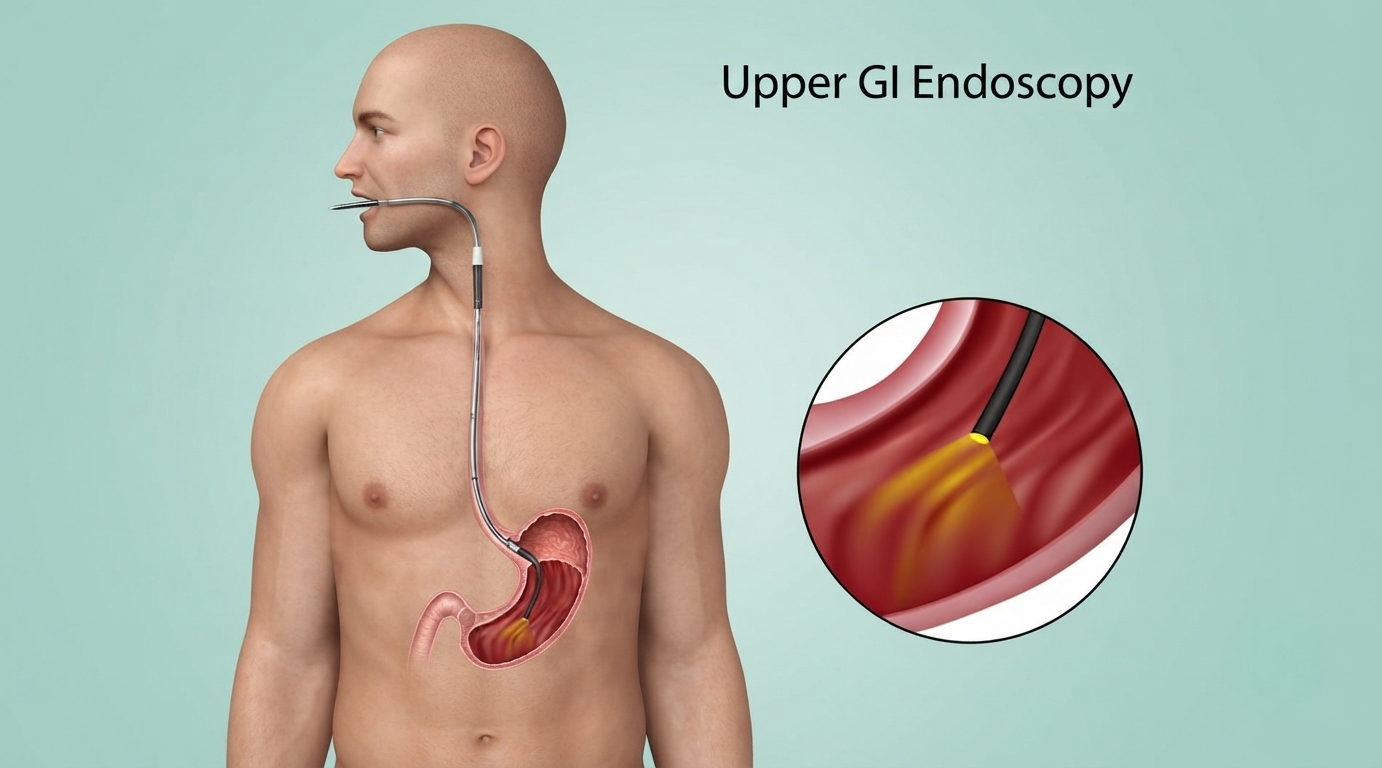
When is Upper GI Endoscopy Recommended?
Upper GI Endoscopy is recommended when patients experience persistent digestive symptoms that require detailed evaluation. It helps doctors identify the exact cause of symptoms and provide timely treatment before complications develop. Dr. Vijay Rampally, Best Gastroenterologist for Endoscopy in Khammam, offers comprehensive endoscopic care with personalized treatment plans to ensure faster recovery, improved digestive health, and better patient outcomes.
Persistent heartburn/acid reflux
Evaluates long-term acid reflux.
Difficulty swallowing
Identifies the cause of swallowing problems.
Upper abdominal pain
Detects the source of persistent stomach pain.
Suspected tumors
Detects abnormal growths at an early stage.
Why Choose an Experienced Gastroenterologist for Upper GI Endoscopy?
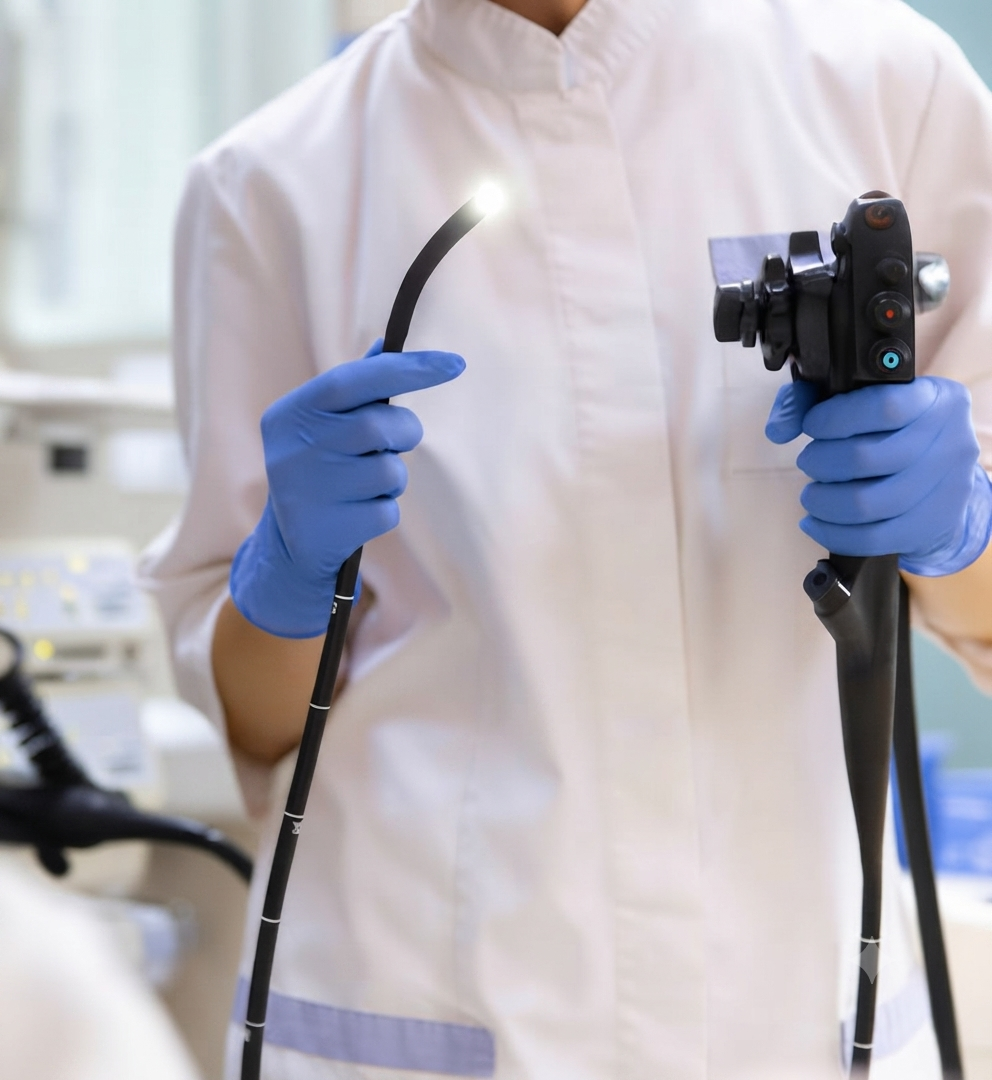
An experienced gastroenterologist ensures precise diagnosis, safe procedures, and effective treatment using advanced endoscopic techniques. Expertise significantly improves patient safety and treatment success.
What is Diagnostic and Therapeutic Upper GI Endoscopy?
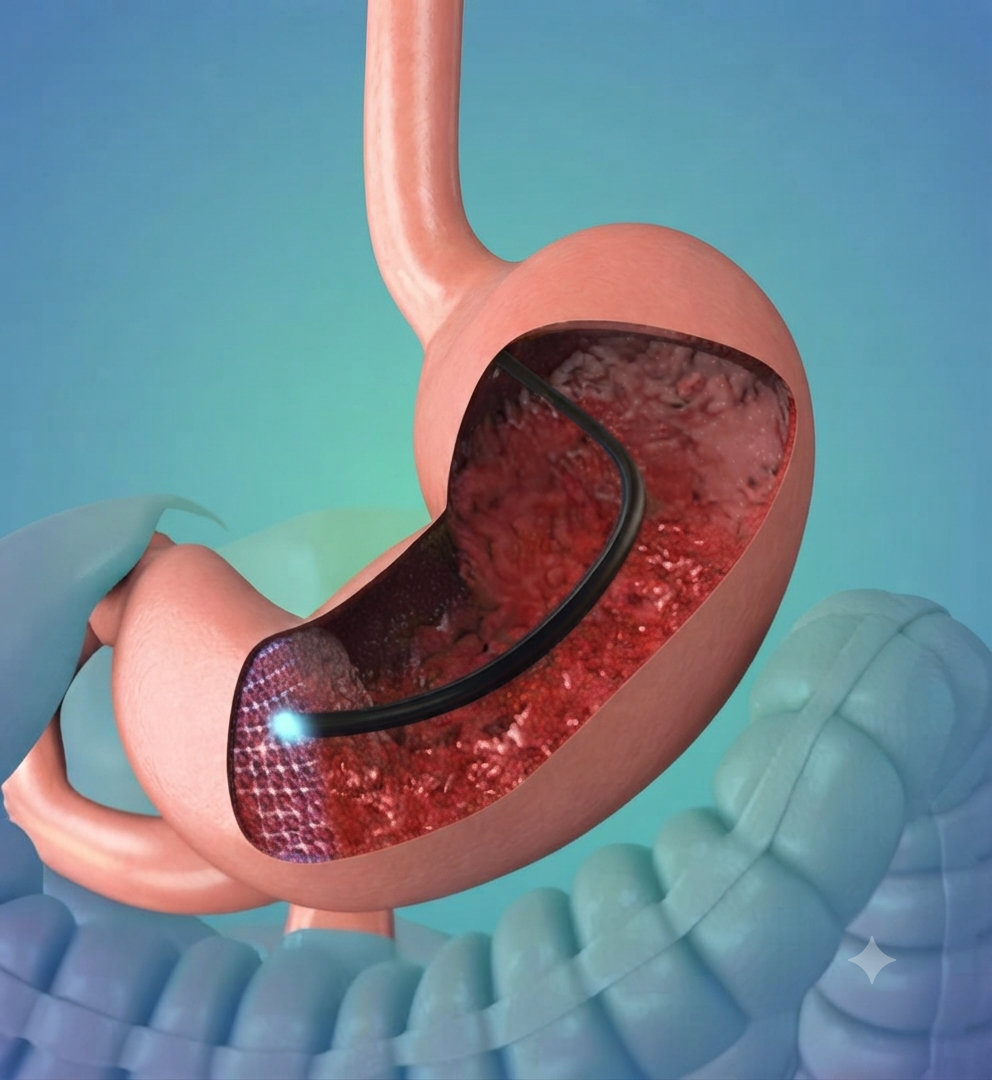
Diagnostic and Therapeutic Upper GI Endoscopy is a procedure that uses a flexible camera-equipped tube to examine the esophagus, stomach, and duodenum while also allowing treatment of certain digestive conditions during the same procedure.
Why is Upper GI Endoscopy performed?
It is performed to diagnose and treat conditions such as acid reflux, ulcers, gastritis, gastrointestinal bleeding, swallowing disorders, polyps, infections, and early gastrointestinal cancers.
Is Upper GI Endoscopy painful?
No. Most patients experience little to no pain because the procedure is performed using local anesthesia and mild sedation to maximize comfort.
How long does the procedure take?
The procedure generally takes between 15 and 30 minutes, although it may take slightly longer if therapeutic treatment is performed.